
Product line

The Internet Backpack family

Four configured kits share the same connectivity stack: multi-path radios, satellite options, local Wi-Fi, edge compute, and self-contained power. Configurations change with the mission.

Platform

One backpack, many networks.

Each kit is designed to find a path—Wi-Fi and other unlicensed bands, 3G/4G/LTE/5G, satcom, Ethernet backhaul, LoRaWAN, and off-grid mesh. When one path drops, the platform hunts another. Units can also form internal wireless networks with large coverage areas and talk backpack-to-backpack when the public internet is gone.

  • One-touch, self-initiating setup
  • Satellite options historically including BGAN / iSavi / Kymeta class terminals, with Starlink used as a high-throughput fallback in later kits
  • Solar panel and system battery for off-grid endurance
  • IoT and sensor integration for distant locales
Imcon Internet Backpack in a remote field setting

In the field

Example Internet Backpack Units

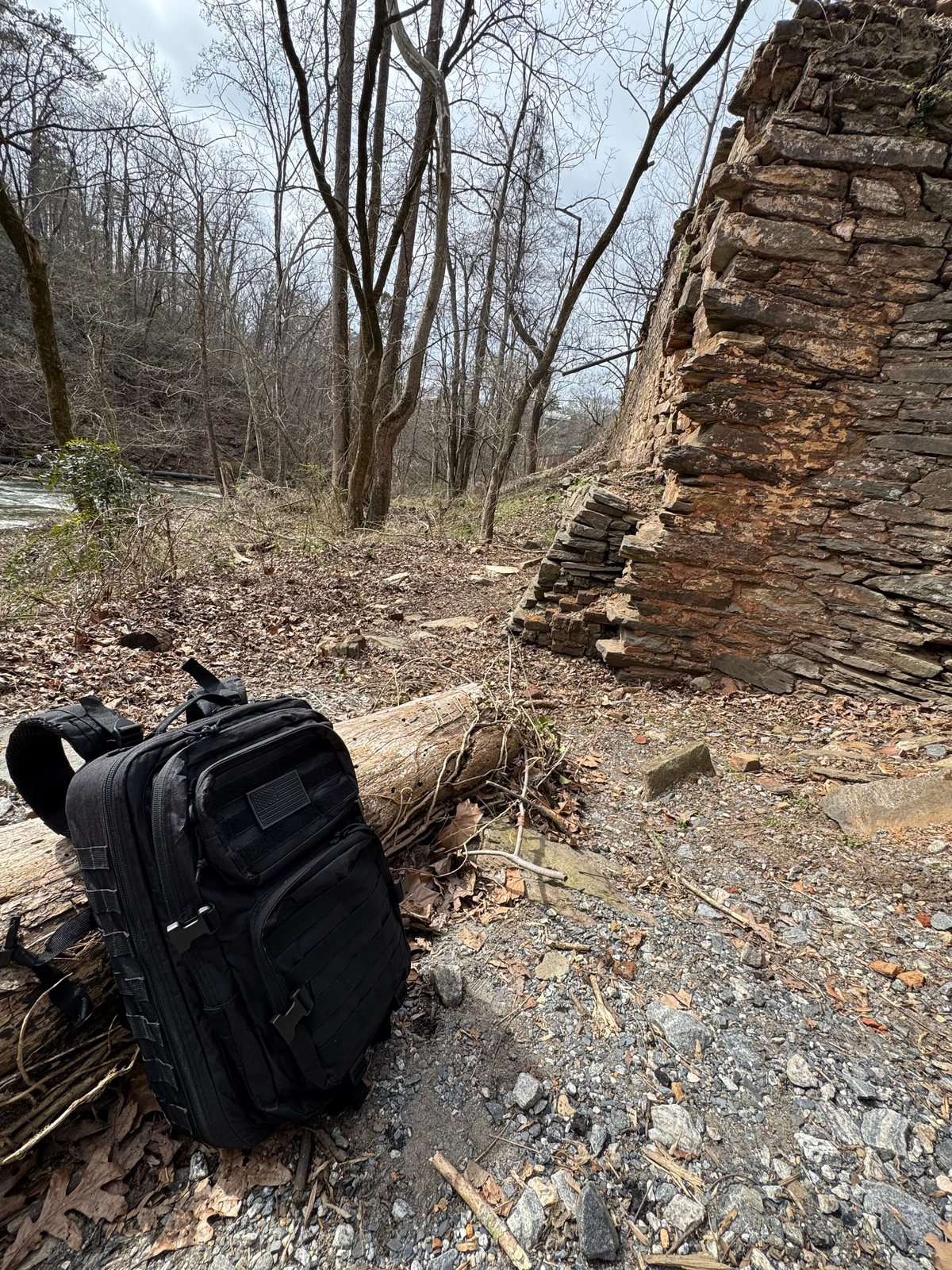
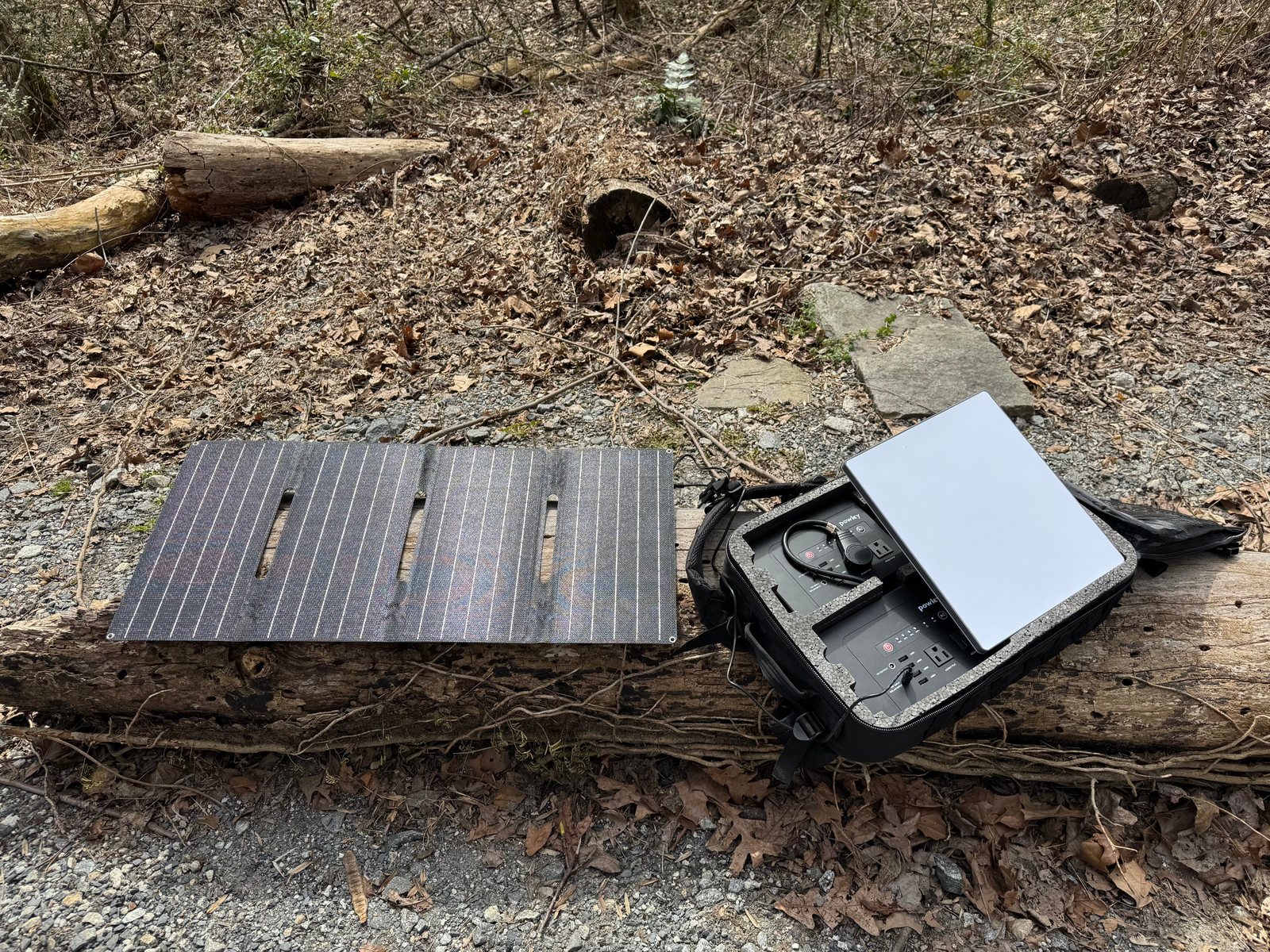
A closed tactical pack ready to move, and an opened kit with solar charging, onboard power, and a satellite terminal.

Internet Backpack resting beside a stone ruin on a remote trail Internet Backpack deployed on a log with solar panel and satellite terminal

The Internet Backpack is consistently being upgraded, so units received may not look the same.

EDU

Educational Internet Backpack

Built for schools, ministries of education, and NGO learning programs. The core backpack adds a content server so lessons keep running when backhaul is scarce, plus student device packs.

Typical core loadout

  • Satellite receiver
  • Wi-Fi router
  • LoRaWAN devices
  • Mobile phones or tablets
  • Solar panel and system battery

Education package

  • 10-pack mobile devices
  • Backpack server for content storage and development

Used in Liberia classroom programs and island schools such as Isla Caballo, Costa Rica, to support online learning and telehealth.

SOS

Survival Online Services Backpack

The core always-on kit. SOS is the baseline Internet Backpack for remote work, expedition support, rural operations, and anyone who cannot wait for infrastructure to arrive.

  • Self-powered, water-resistant tactical pack
  • Router plus satellite fallback
  • Creates a local hotspot and mesh options
  • Designed to send email, voice, and critical data when broadband is unavailable

This is the configuration most often described as the “always-on, self-sustaining Internet Backpack with one-touch, self-initiating features.”

EMS

Emergency Management Backpack

Internet Backpack 2.0 was launched specifically for emergency services, first responders, and remote-access connectivity after a successful pilot with Oconee County Emergency Services in South Carolina.

  • Band 14 capable for FirstNet, the nationwide U.S. public-safety platform
  • Off-grid LoRaWAN and mesh for team comms when cellular is down
  • Optional command-center server
  • Compatible with tactical radios and ATAK-class mesh accessories

Field roles include hurricane response, wildfire corridors, claims adjusting after disasters, and EOC surge communications.

IoT

Internet of Things Backpack

The IoT configuration treats the backpack as a mobile gateway. Sensors, LoRaWAN nodes, and other devices can report from distant or degraded environments.

  • Environmental monitoring (air quality, flood, volcanic activity)
  • Agricultural and conservation sensing
  • Industrial and infrastructure telemetry
  • Edge storage so data is not lost when the satellite window closes

Early proving work included harsh electromagnetic environments such as volcanic monitoring on Mount Nyiragongo in the Democratic Republic of Congo.

Internet Backpack opened in the field with solar panel, power station, and satellite terminal

Who buys

Agencies, ministries, and operators—not just individuals.

Imcon has sold and partnered through education programs, emergency services, insurance field teams, park services, resellers in the Americas, ASEAN/Oceania, Africa, and Canada. Pre-order interest has been collected publicly for all four backpack families.

Request a briefing

The Internet Backpack is consistently being upgraded, so units received may not look the same.